What is the difference between D65, D50, A, C, TL84, CWF, uv and other light sources?
Colorimeters commonly use several types of light sources, each with distinct characteristics:
D65 Light Source: Simulates average daylight with a color temperature of 6500K. It is widely used for color matching and quality control due to its consistency and reliability.
D50 Light Source: Represents midday daylight with a color temperature of 5000K. It is often used in the printing and graphic arts industries.
A Light Source: Mimics incandescent lighting with a color temperature of 2856K. It is used for applications requiring a warm light source.
C Light Source: Simulates average daylight with a color temperature of 6774K. It is used for general color matching.
TL84 Light Source: Commonly used in European commercial and office environments with a color temperature of 4100K.
CWF Light Source: Typical of American commercial and office lighting with a color temperature of 4150K.
UV Light Source: Used to detect the fluorescence of whitening agents.
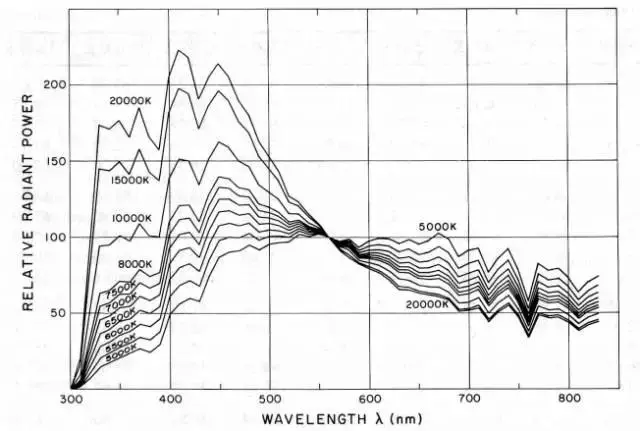
What are the differences in color temperature among different light sources?The significant differences in color temperature among different light sources are as follows:
**Differences in visual effects**:
- Low color temperature (such as 2700K - 3000K): The light appears warm yellow or orange, giving a warm and comfortable feeling. Just like the sunlight at dusk or the light emitted by traditional incandescent bulbs, it is often used in places such as bedrooms and dining rooms to create a warm atmosphere.
- Medium color temperature (such as 4000K - 5000K): The light is close to the white of natural light and is relatively soft and natural. Commonly seen in environments such as offices and classrooms where people need to stay awake and focused.
- High color temperature (such as 6000K and above): The light shows a cold white or blue tone, with strong visual stimulation, making people feel clear and bright. For example, it is often used in places such as factories and hospitals where high lighting and vigilance are required.
**Differences in application scenarios**:
- Home lighting: The living room may choose a color temperature of around 4000K to create a comfortable and bright environment; the bedroom mostly uses a low color temperature of 2700K - 3000K to help relaxation and sleep.
- Commercial lighting: Shopping malls usually use a color temperature of 4000K - 5000K to provide a clear and comfortable shopping environment; jewelry stores may use a high color temperature light source to highlight the sparkle and luster of jewelry.
- Outdoor lighting: Street lamps generally have a color temperature of 3000K - 4000K, which can not only provide sufficient lighting but also not be too dazzling; while some special landscape lighting may choose different color temperatures according to design requirements to create specific effects.
**Physiological and psychological effects on people**:
- Low color temperature: Helps relax the body and mind, reduces stress, and promotes rest and sleep.
- High color temperature: Can increase people's alertness and attention, but staying in a high color temperature environment for a long time may cause visual fatigue and mental tension.For example, in a library, a color temperature close to natural light of 5000K may be chosen during the day to facilitate readers' reading and learning;
while in the evening, to avoid readers being too awake and having difficulty falling asleep, a low color temperature lighting of around 3000K may be adjusted.
Another example is in stage performances. By adjusting lights of different color temperatures, different scene atmospheres can be created.
For example, a warm family scene may use a low color temperature, while a sci-fi and futuristic scene may use a high color temperature.
If you need more details or have any other questions, feel free to ask!


