What parameters can a polarimeter measure? What are some common types of samples analyzed?
In laboratories across the food, pharmaceutical, chemical, and flavor & fragrance industries, polarimeters are common analytical instruments. By measuring the optical rotation of a substance, they provide essential data for sample identification, concentration determination, and quality control.
So, what kind of substances can a polarimeter measure? And what are some typical samples encountered in routine testing? Let’s take a look.
I. What parameters can a polarimeter measure?
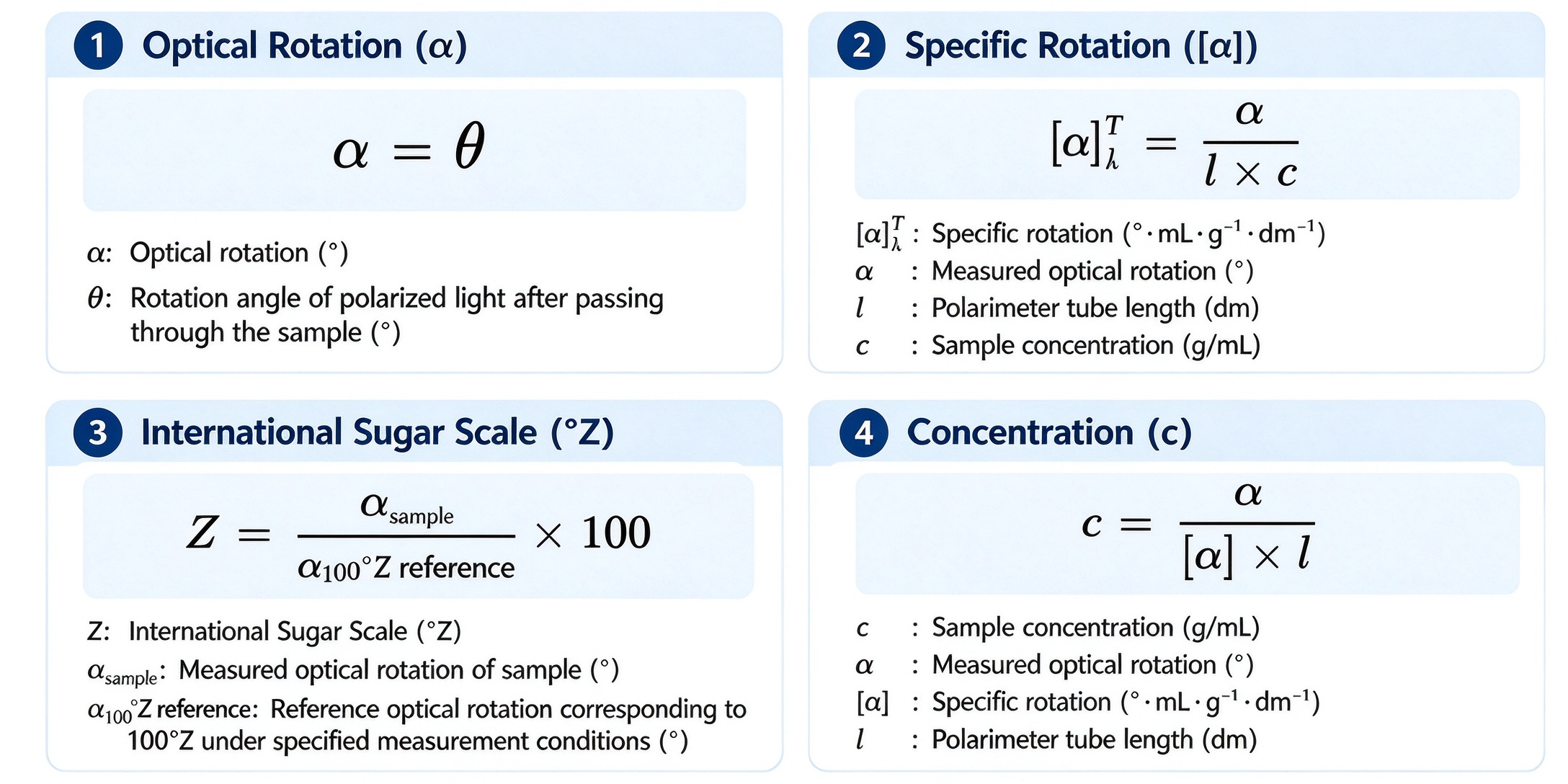
1. Optical Rotation (α)
Optical rotation refers to the angle by which the plane of polarized light is rotated after passing through an optically active substance; it is expressed in degrees (°). It reflects the extent to which a sample rotates polarized light and depends on factors such as sample concentration, the path length of the polarimeter tube, temperature, and the wavelength of the light used for measurement.
2. Specific Optical Rotation ([α])
Specific optical rotation is a parameter used to characterize the optical activity of a substance. It is an intrinsic property of a substance, depending solely on the type of substance, temperature, and the wavelength of light—independent of concentration or path length. It is primarily used for substance identification and purity assessment.
3. International Sugar Scale (°Z)
The International Sugar Scale is used to express the results of polarimetric measurements of sugar solutions; it is commonly applied in the sugar production and starch-related industries.
4. Concentration (c)
This refers to the mass concentration of an optically active substance within a solution. For substances with a known specific optical rotation, the concentration can be calculated based on the measured optical rotation.
II. What types of samples are commonly measured using a polarimeter?
1. Carbohydrates (sugars): sucrose, glucose, fructose, lactose
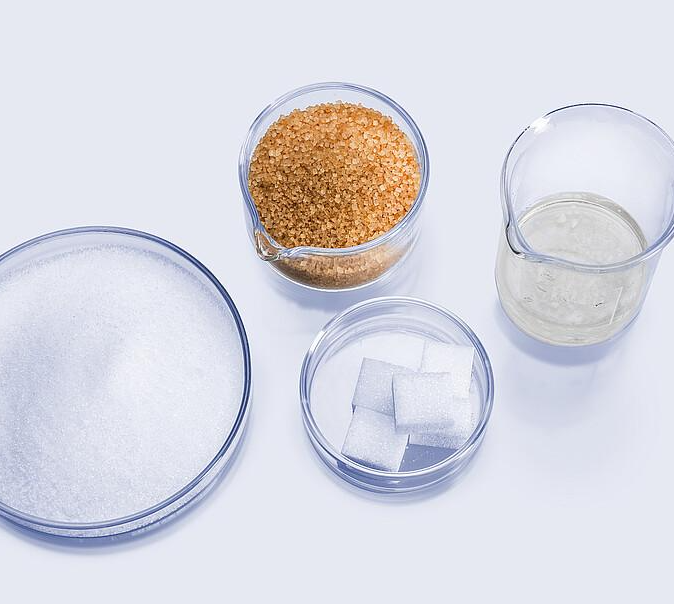
Sugars are among the most common substances analyzed using a polarimeter. For instance, sucrose, glucose, fructose, and lactose can all have their optical rotation measured under appropriate conditions.
In the sugar industry, food processing, and related laboratory settings, polarimeters are used to analyze sugar solutions. For example, the concentration of a sucrose solution can be determined by measuring its optical rotation and applying the corresponding calculation methods.
However, the optical properties of different sugars vary. Sucrose and common D-glucose, for example, are dextror otatory (rotating polarized light to the right), whereas D-fructose is levorotatory (rotating polarized light to the left). In practice, analysis must be tailored to the specific sample and the requirements of the test.
2. Pharmaceuticals and Pharmaceutical Raw Materials: Chiral Drugs, Amino Acids, and Vitamins
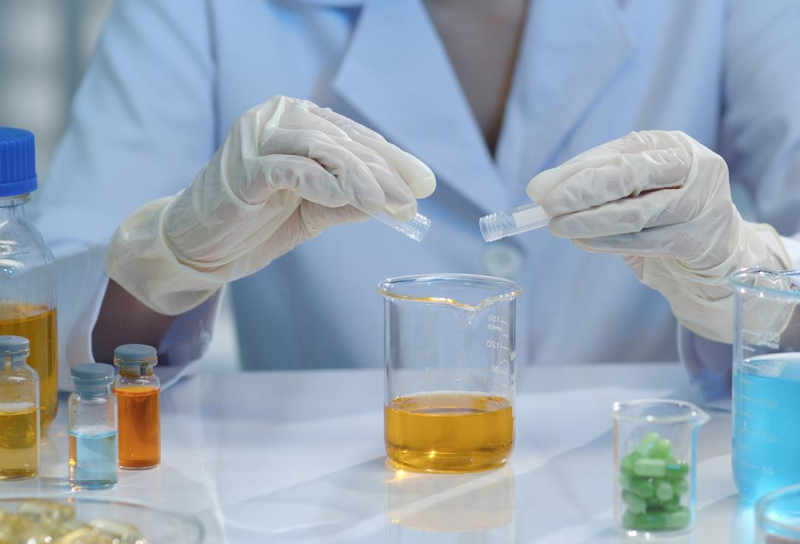
In the pharmaceutical industry, certain drugs and pharmaceutical raw materials—such as specific chiral drugs, amino acids, and vitamins—exhibit optical activity.
Optical rotation is a parameter included in the quality standards for some pharmaceutical products, serving as a tool for the identification of raw materials and for quality control.
For instance, some amino acids exist as different optical isomers, which may possess distinct optical properties. By measuring optical rotation and comparing the results against reference values established under specified conditions, one can obtain data to support the testing of a sample.
It should be noted that the measurement of optical rotation is merely one method within pharmaceutical quality analysis; it cannot, on its own, serve as a substitute for a comprehensive suite of quality tests.
3. Flavors and Fragrances: Essential oils, menthol, and camphor
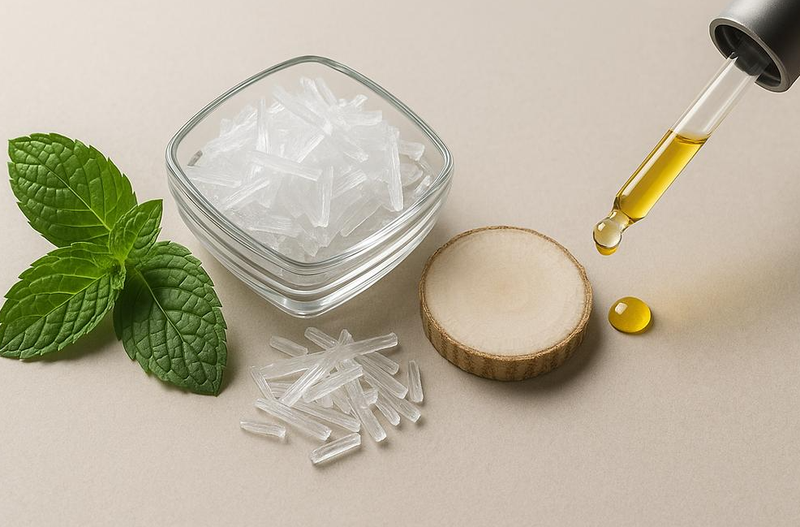
Polarimeters also have practical applications in the flavors and fragrances industry.
Certain natural essential oils and fragrance components—such as citrus oils, menthol, and camphor—exhibit optical activity. For solid samples like camphor, it is generally necessary to first dissolve them in a suitable solvent before measuring their optical rotation.
The optical rotation of these substances can serve as a reference indicator for raw material identification and quality assessment. For instance, by comparing a sample’s optical rotation—measured under standardized conditions—against established reference ranges, one can help determine whether the sample meets the relevant requirements.
However, since natural essential oils typically consist of a complex mixture of components, their optical rotation can be influenced by factors such as the source of the raw material and the specific proportions of the constituents. Therefore, such measurements should be evaluated in conjunction with other analytical results.
4. Other substances: Various organic compounds and chemical raw materials
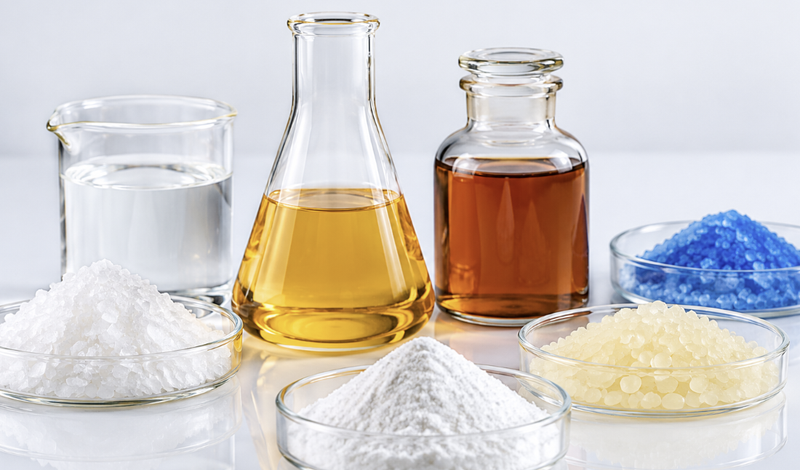
In addition to the aforementioned samples, the polarimeter can also be used to analyze certain optically active organic compounds, chemical intermediates, and samples for scientific research.
For instance, in organic synthesis and scientific research, researchers can utilize optical rotation data to help characterize samples, compare different batches, or monitor changes occurring during specific chemical reactions.
Whether a particular substance can be measured depends on factors such as its optical activity, as well as the sample's light transmission properties and solubility.
III. CHNSpec Fully Automatic High-Speed Polarimeter: Meeting Measurement Needs Across Diverse Scenarios
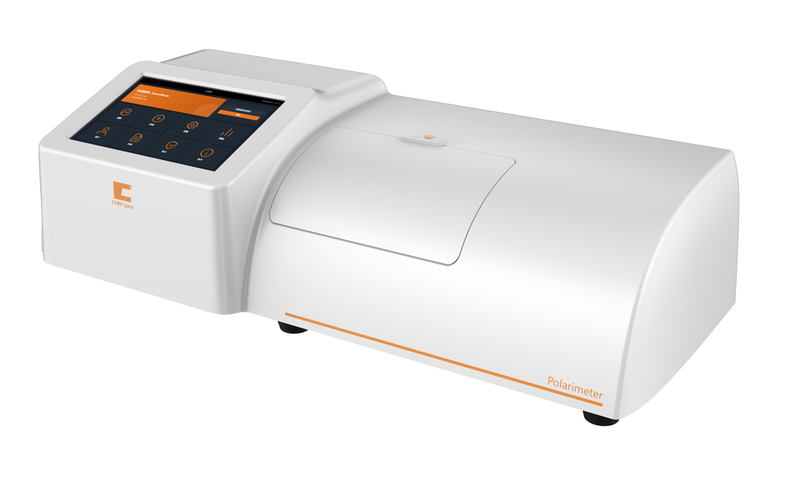
To meet the testing requirements of various laboratories, CHNSpec has introduced the DS-P900T series of fully automatic, high-speed polarimeters. These instruments are designed for analyzing optically active substances, including sugars, pharmaceutical raw materials, fragrances and flavors, and certain chemical products.
The series utilizes a 589 nm measurement wavelength and supports multiple measurement modes—such as optical rotation, specific rotation, concentration, and the Brix (sugar content) scale. It is equipped with a 10.1-inch IPS touchscreen, facilitating daily operation for laboratory personnel.
The DS-P700T and DS-P900T models feature constant-temperature control (ranging from 10°C to 60°C) with an accuracy of ±0.1°C. The DS-P900T can accommodate samples with a transmittance as low as 0.01%, enabling the analysis of samples with limited light transmission. Specific suitability depends on the nature of the sample and the required testing conditions.
IV. What should be kept in mind when using a polarimeter?
Although operating a polarimeter is relatively straightforward, ensuring stable and reliable measurement data requires attention to the following points:
1. Monitor sample temperature. Since temperature fluctuations can affect optical rotation, the temperature should be controlled in accordance with the relevant testing protocol.
2. Select the appropriate polarimeter tube. The length of the tube influences the measured angle of rotation; therefore, the correct tube should be chosen based on the sample's properties and testing requirements.
3. Prevent interference from air bubbles and impurities. Ensure that no air bubbles enter the optical path when loading the sample; if necessary, pretreat the sample accordingly.
4. Consider sample transmittance. Dark-colored or low-transmittance samples may affect measurement results; evaluate this based on the instrument's specifications and the specific characteristics of the sample.
Conclusion
From common substances like sucrose and glucose to pharmaceutical raw materials, essential oils, and various organic compounds, polarimeters have practical applications across a wide range of industries. Understanding the optical rotation characteristics of different substances—and selecting the appropriate measurement conditions and instrumentation—helps in obtaining high-quality, reliable data, thereby supporting daily laboratory experiments and quality control processes.


How can we Help you?
Email*
Phone*
Name*
Country/Region*
Which Products are you interested in?*
Verification code