Color & Gloss Measurement for Appearance QC | CHNSpec DS‑87CG Spectrophotometer
In the quality control of products such as plastics, coatings, automotive interiors, and home appliance casings, "color consistency" is often a critical inspection criterion.
Many companies use colorimeters to translate the colors perceived by the human eye into data—such as L, a, b, and ΔE values—to assess the color difference between a sample and a reference standard.
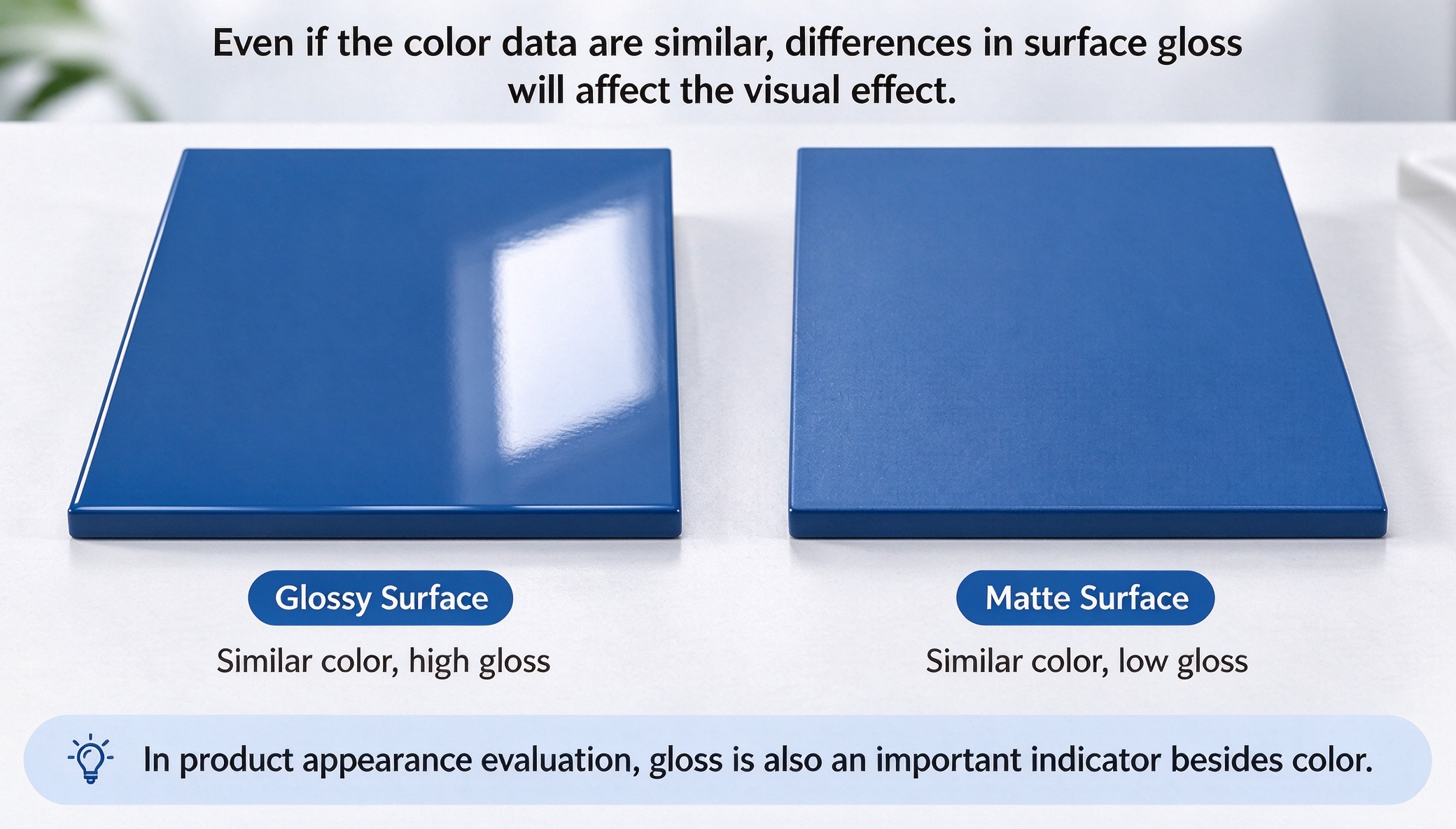
However, in practical testing, a common issue arises: even when two samples show very similar color data, a clear, visible difference remains when they are placed side by side.
Why does this happen?
One reason is that what we perceive as "appearance" encompasses more than just color.
I. Evaluating Product Appearance: Color and Gloss as Distinct Dimensions
When light strikes the surface of an object, it undergoes processes such as absorption, reflection, and scattering.
The object’s reflection characteristics across different wavelengths of visible light determine the color we perceive, while its specular (mirror-like) reflection properties influence our perception of gloss.
Simply put:
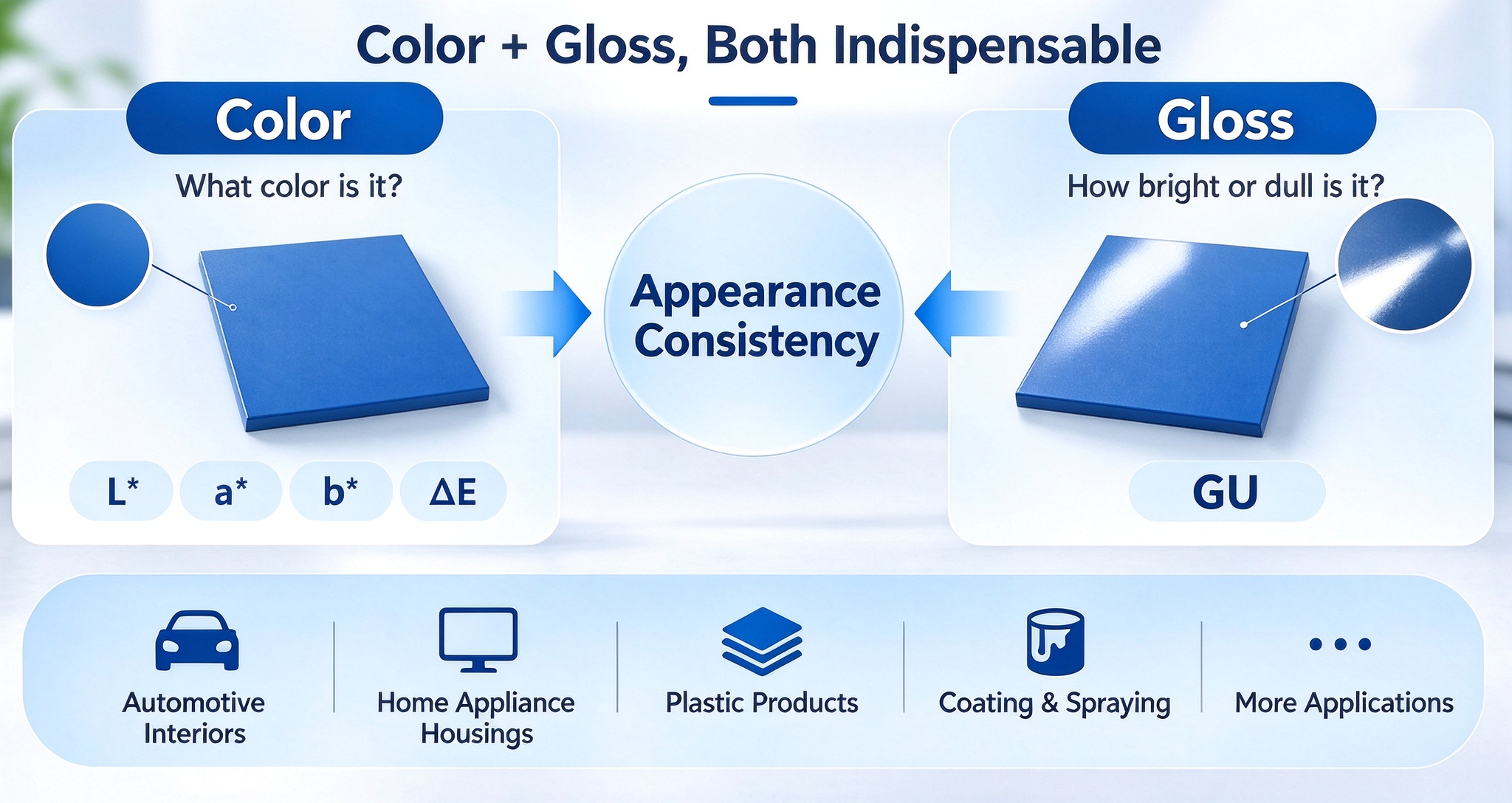
Color answers the question, "What color is it?" while gloss answers, "How shiny or matte is it?"
For instance, consider two black plastic panels: even if their color data are nearly identical, one might have a glossy surface while the other appears matte—making the difference between them immediately apparent when viewed together.
Therefore, for products that require a high degree of visual consistency, relying solely on color data may not fully capture the actual, perceived differences.
II. How is gloss measured?
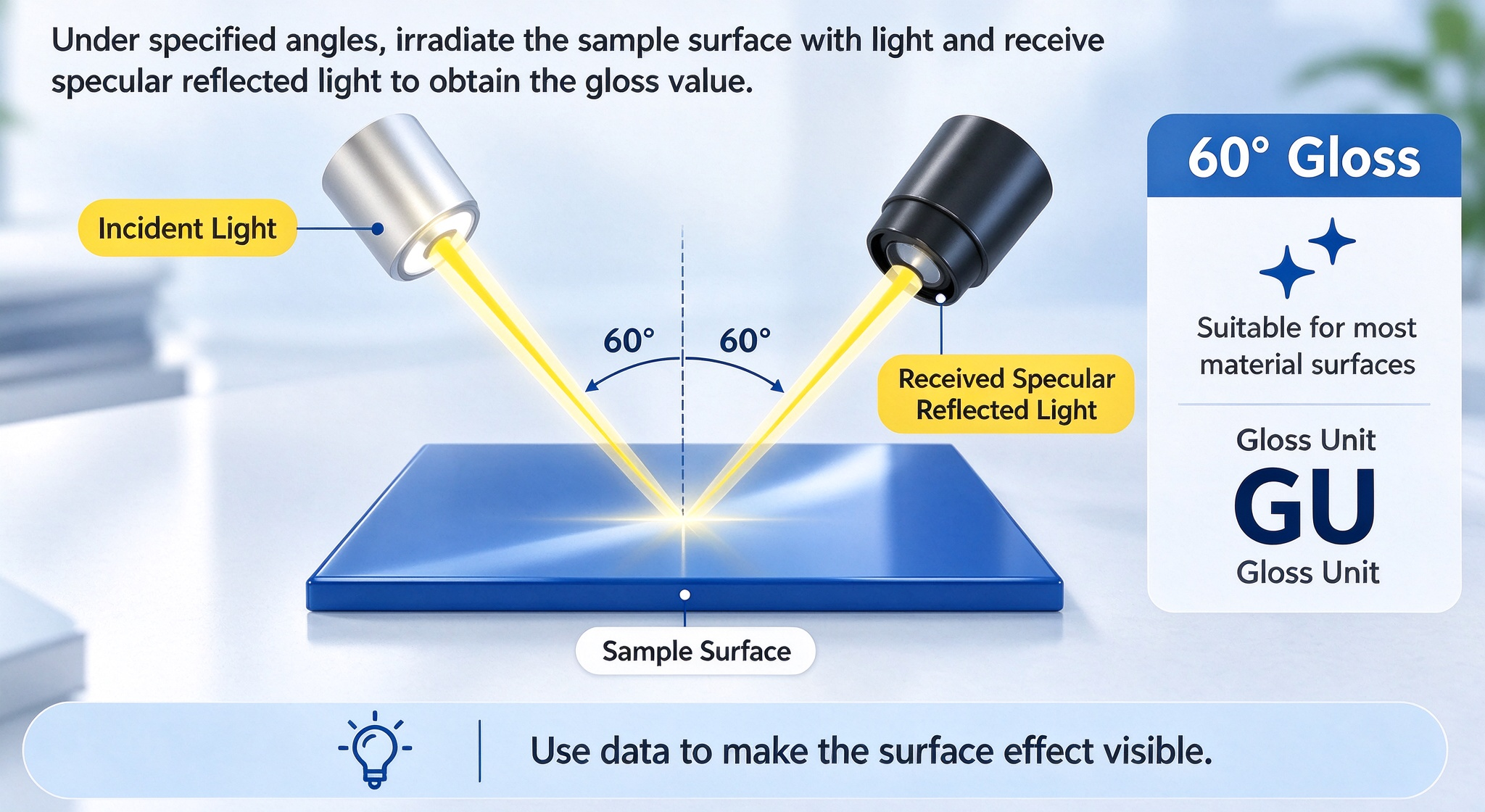
In essence, the measurement of gloss involves evaluating the specular reflection—the mirror-like reflection—of light from a material's surface under specified geometric conditions.
In practical applications, measurements are frequently taken at various angles, such as 20°, 60°, and 85°. Among these, 60° is a standard geometric configuration for gloss measurement, suitable for assessing the surface gloss of a wide range of materials.
Gloss is typically expressed in Gloss Units (GU).
Changes in GU values can help determine whether the surface condition of a product has shifted across different production batches or as a result of variations in manufacturing processes.
For instance, in processes like spray coating or injection molding, any alterations to the coating state, mold surface, or processing conditions may be reflected in the gloss data of the finished product.
III. Why Should Color and Gloss Be Evaluated Together?
Although color and gloss are distinct appearance attributes, they are often analyzed in tandem during practical quality control.
For instance, when a production sample is compared against a standard and a visual discrepancy is noted, one can further determine:
Has the color shifted, or has the surface gloss changed?
If there is a significant difference in color data, the investigation can focus on raw materials, color formulation, and production processes. Conversely, if the colors are similar but the gloss levels differ, the investigation should instead center on the material's surface condition and processing techniques.
This approach breaks down the inherently subjective observation that "things look a bit different" into two quantifiable dimensions: color difference and gloss difference.
Furthermore, this method facilitates data recording and traceability, which is highly beneficial for batch management, incoming material inspection, and quality control throughout the production process.
IV. Can color and gloss be measured simultaneously?
In traditional inspection processes, color and gloss are typically measured separately using a colorimeter and a glossmeter, respectively. If a sample requires both tests, it necessitates separate positioning, measurement, and data recording for each.
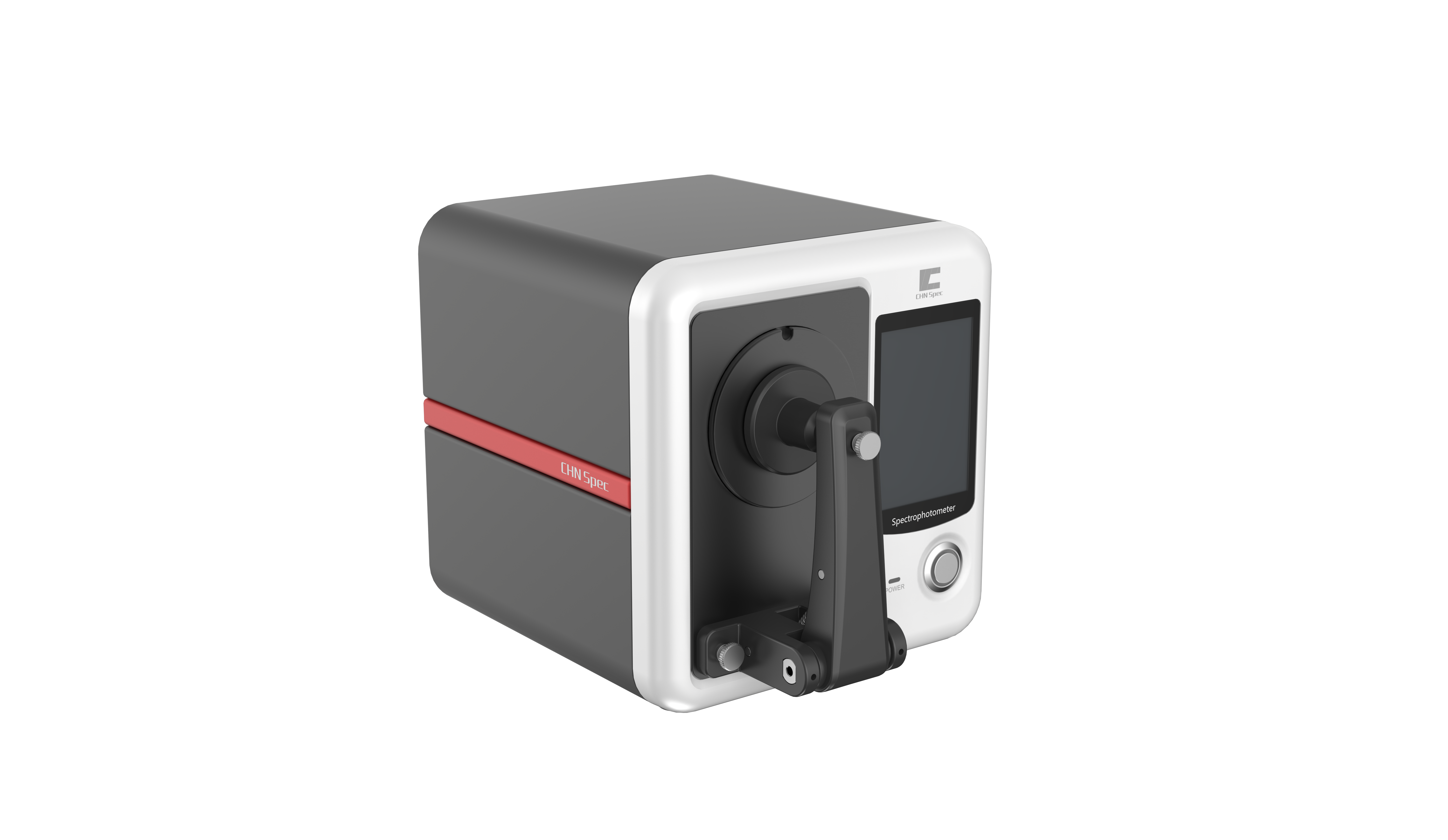
To address this, the CHNSpec DS-87CG45/0 benchtop spectrophotometer integrates both color and gloss measurement into a single device.
The instrument utilizes a 45/0 optical geometry for color measurement, covering a wavelength range of 360–740 nm. It offers a color measurement repeatability of ΔE*ab ≤ 0.02 and an inter-instrument agreement of ΔE*ab ≤ 0.2. Additionally, it features an integrated 60° gloss measurement function with a range of 0–400 GU.
Consequently, both color and gloss data for a sample can be obtained in a single measurement process.
V. From "Viewing Color" to "Evaluating Appearance"
While ΔE is a key metric for color quality control, a product’s actual appearance is not determined by a single data point alone.
For products with specific surface requirements—such as plastics, coatings, automotive interiors, or home appliance casings—color and gloss serve as complementary dimensions for evaluation.
By considering both color consistency and gloss consistency, we gain a more multidimensional understanding of the differences in appearance between products.
This is the true value of integrated color and gloss measurement: it goes beyond merely combining two measurement functions; it transforms differences in appearance—previously reliant on subjective visual description—into data that can be measured, compared, and recorded.


How can we Help you?
Email*
Phone*
Name*
Country/Region*
Which Products are you interested in?*
Verification code