Temperature Effects in Optical Rotation Measurement: Analyzing the Technical Logic of Polarimeter Temperature Control Modules
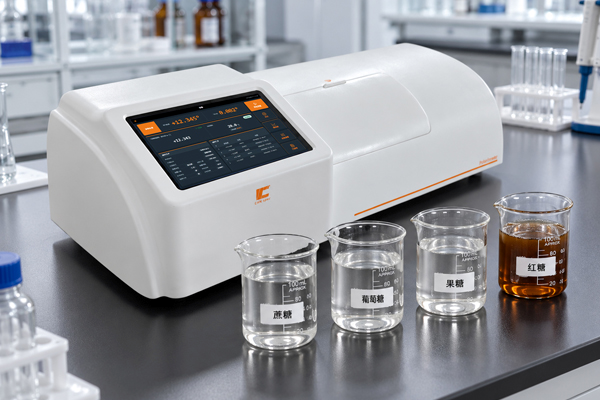
Optical rotation is not a fixed, immutable property of a substance; temperature can significantly influence measurement results. On one hand, temperature fluctuations alter the density of liquid samples, and thermal expansion of the polarimeter tube can change the optical path length. On the other hand, the specific rotation of chiral molecules itself varies with temperature—for some substances, this temperature coefficient is quite pronounced, where even a 1°C change can lead to a detectable shift in the measured optical rotation value. Pharmacopoeia standards for optical rotation measurements typically specify a standard test temperature of 20°C. If the actual test temperature deviates from this standard, a temperature correction must be applied, which introduces additional uncertainty. Consequently, for applications requiring high precision, precise temperature control of the sample is essential.
The CHNSpec DS-P900T series of fully automatic, high-speed polarimeters offers different configurations: the entry-level model does not include an integrated temperature control module, while the mid-range and high-end models feature a built-in temperature control system. This system operates within a range of 10°C to 60°C with an accuracy of ±0.1°C and supports the use of specialized temperature-controlled polarimeter tubes. Users often ask: in what scenarios is a polarimeter with temperature control necessary?
If a laboratory’s testing tasks focus primarily on rapid screening—where the ambient temperature is consistently maintained near 20°C, the samples have low temperature sensitivity, and temperature correction is acceptable—then an entry-level model paired with a standard polarimeter tube is sufficient. However, in pharmaceutical quality control (QC), the specific rotation of many active pharmaceutical ingredients (APIs) must be measured strictly at a specified temperature. Similarly, for certain chiral chemical intermediates, temperature has a significant impact on specific rotation. Furthermore, some samples may undergo solubility changes—such as crystallization or precipitation—when the temperature shifts; in such cases, maintaining a precise, stable temperature during measurement is mandatory.
The temperature control module functions by regulating the temperature of the sample contained within the polarimeter tube. The instrument’s display panel shows the temperature, with a range of -20°C to 120°C. Once a target temperature is set, the instrument adjusts the environment within the sample chamber, allowing the sample inside the tube to gradually reach the desired temperature. The measurement process begins only after the temperature has stabilized. Throughout the test, the temperature is monitored in real-time and recorded, ensuring accurate documentation for subsequent reporting. It is important to note that after a sample is loaded into the polarimeter tube, sufficient time must be allowed for it to reach the set temperature. Measurements should not be taken immediately upon loading; otherwise, the sample’s internal temperature may not have reached equilibrium, which can lead to inaccurate results—even if the instrument’s chamber has already reached the target temperature.
Many laboratories use an external circulating water bath in conjunction with a standard polarimeter tube to achieve temperature control; this is a viable approach. Compared to an external water bath, an instrument with a built-in temperature control module eliminates the need for additional equipment, saves bench space, and streamlines the operational workflow. However, when using built-in temperature control, a compatible temperature-controlled polarimeter tube must be selected. The mid-range and high-end models in this series come with both standard 100/200 mm tubes and a 100 mm temperature-controlled tube.
Regarding specifications, the temperature control accuracy of ±0.1°C refers to the control level within the instrument chamber; it does not mean the sample reaches that temperature instantaneously. The time required to achieve thermal equilibrium depends on the sample's volume and its initial temperature. For high-precision measurements, it is recommended to wait until the temperature has stabilized before proceeding with the test.
Selection guidance: For university teaching laboratories or routine, preliminary screening of food products—provided the laboratory environment maintains a stable ambient temperature—an entry-level model is sufficient. For quality control (QC) in pharmaceutical companies or research and development in fine chemicals—where compliance with pharmacopeial standards is required or samples are temperature-sensitive—a mid-range or high-end model with temperature control is the preferred choice. Furthermore, operators should remain mindful of temperature factors; even when using an instrument with temperature control, it is essential to verify that the sample has reached thermal equilibrium before collecting data, thereby ensuring the reliability of optical rotation and specific rotation measurements.


How can we Help you?
Email*
Phone*
Name*
Country/Region*
Which Products are you interested in?*
Verification code